Welcome to the inspiring world of flavor and fragrance!

What topics will be covered?
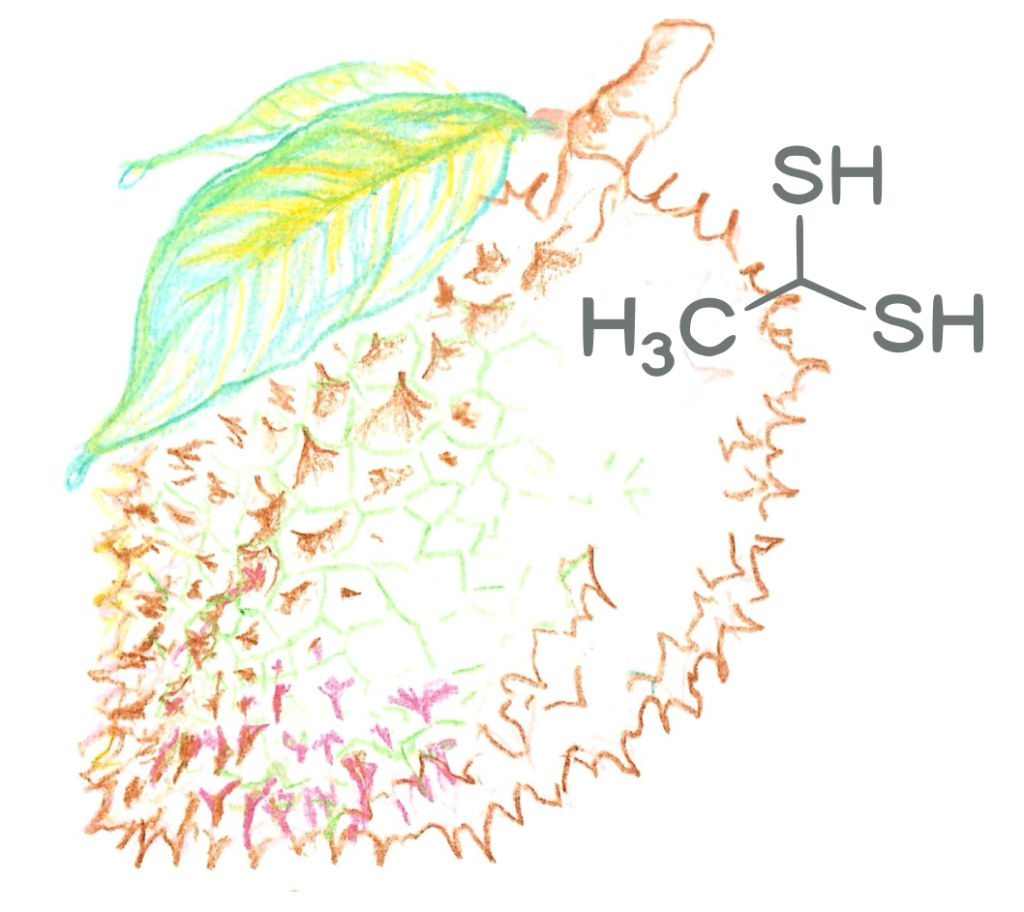
Sulfur-containing flavorings
For example, sulfur-containing flavor compounds! These are important in the aromas of tropical fruits, but also in onion and meat flavors.
Sustainable raw materials
We need to move away from fossil fuel sources. What might modern flavor chemistry based on renewable raw materials look like?
Encapsulation systems
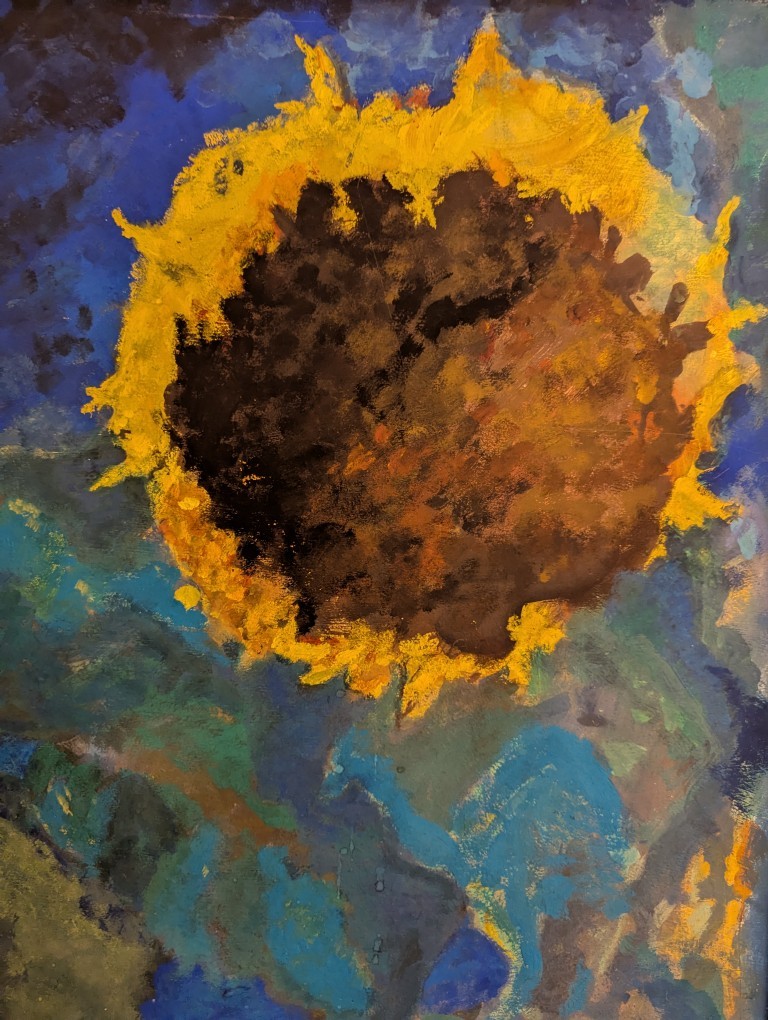
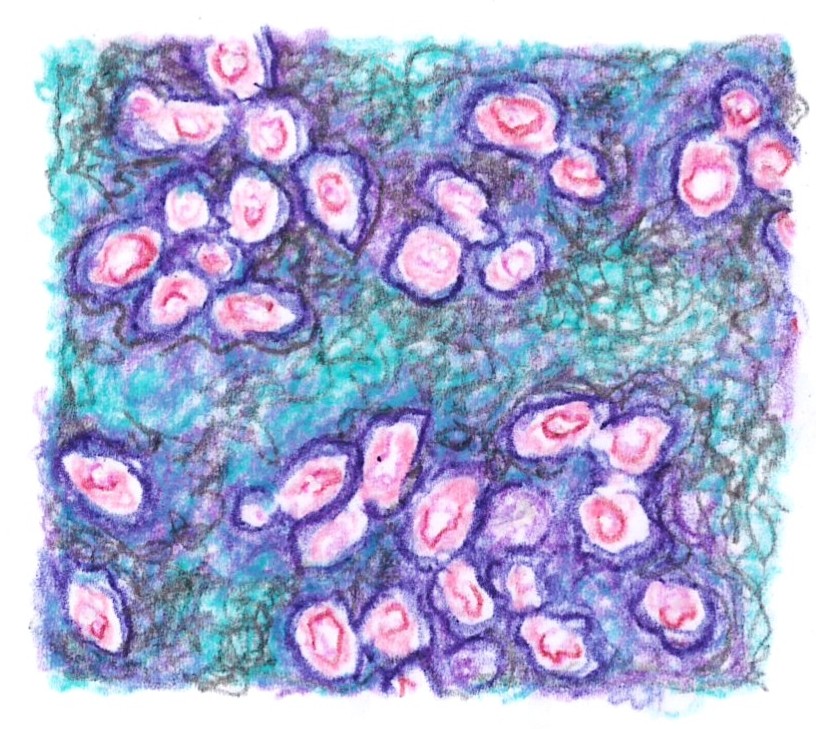
The aroma industry requires different encapsulation systems for dry applications. I will report on details of standard applications like spray drying, as well as granulation and extrusion. Special applications such as core shell capsules will also be considered. The image shows my artistic interpretation of the process “complex coacervation.” Are you already familiar with this method?

Chemical process engineering
New techniques in process development, such as microreactors, LEDs for photochemistry, and functionalized membranes, enable processes that were previously impossible. Let’s make chemistry sustainable!
By the way: my painting shows how two streams of liquid mix turbulently.

Special fragrance compounds
Although I mainly work for the flavor division, I also encounter exciting fragrance molecules from time to time.

Receptors
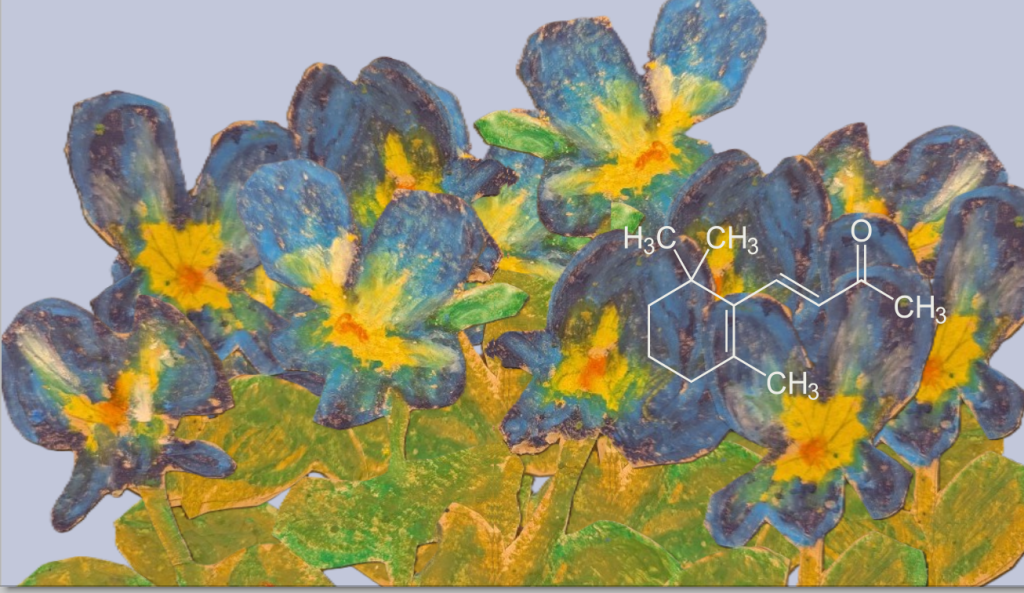
How taste and smell work at the molecular level.
Taste
When we eat, we perceive the nuances of flavor through our nose—this happens “retronasal.” But of course, there is also the taste on the tongue.
These are sweet, sour, salty, bitter, and umami. Also fatty and mouthfeel?
Taste is a very important topic, because too much sugar, fat, and salt are unhealthy!
How can these flavors be achieved with “less”? Or which substances can modulate the taste?
Artificial intelligence and neuronal networks
How can new fragrance creations be discovered? How can new formulas be developed from descriptors?

Vanilla
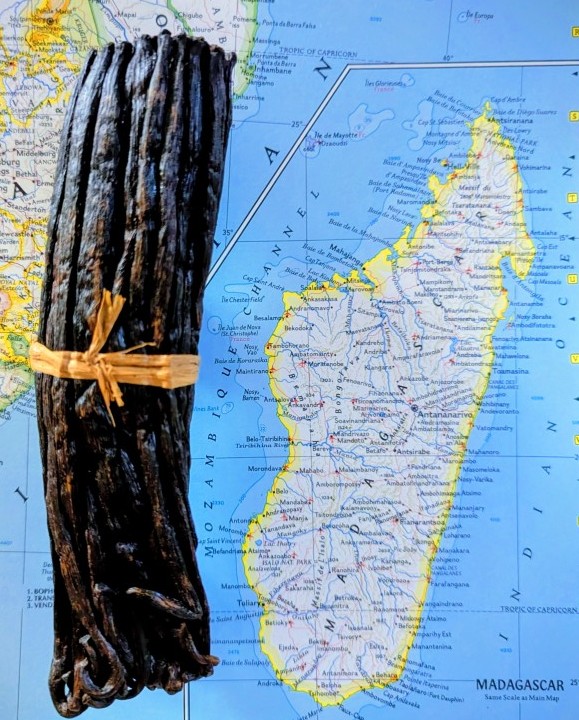
So much to tell about vanilla!
Flavor analytics
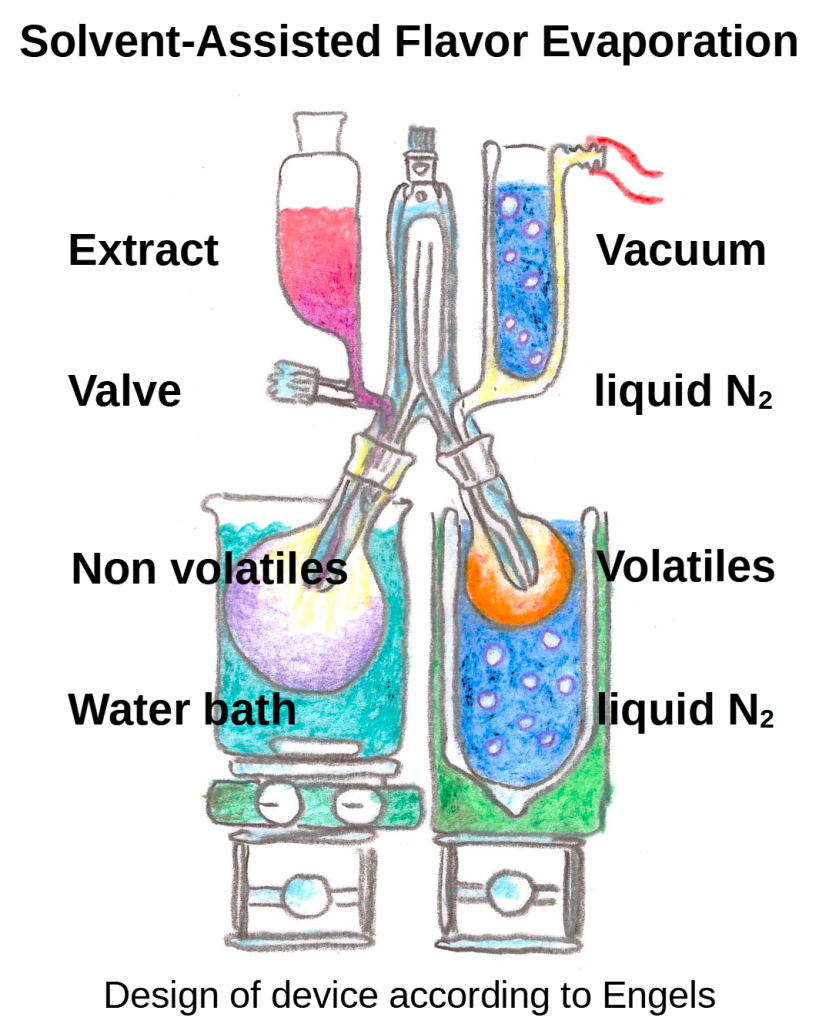
The scientific analysis of aroma! Work up methods like SPME and twister. Extraction technologies like SAFE. And for sure GC, GCO, GC-MS and mass spectrometry.
Coffee, tea, cocoa
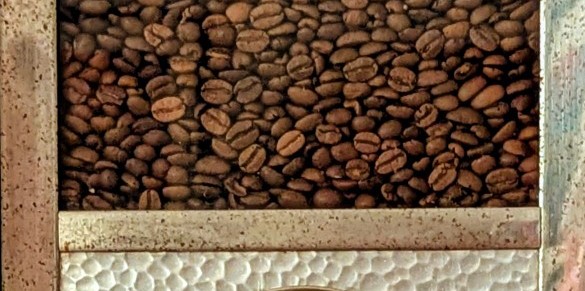
All fermented. History, culture and processing.
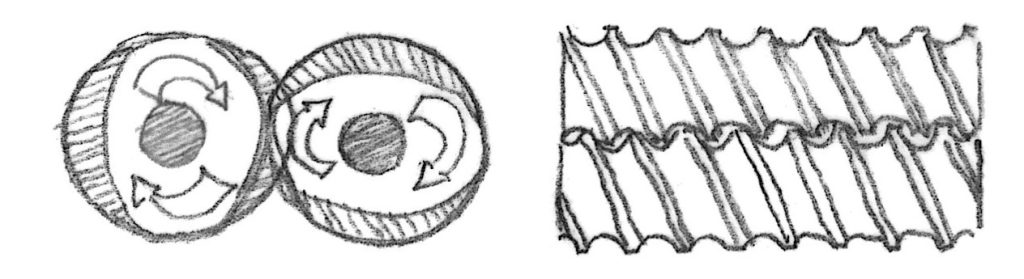
Extruders
More sustainable: direct reaction of powder as raw materials, without any heating with water. Continous vs batch process.
Citrus
Citrus in Florida is a prime example of ecological disasters and their economic consequences. Large monocultures and an introduced bacterium have destroyed almost the entire citrus production in Florida since 2005.
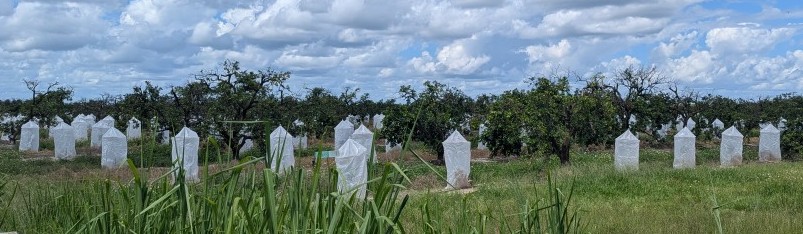
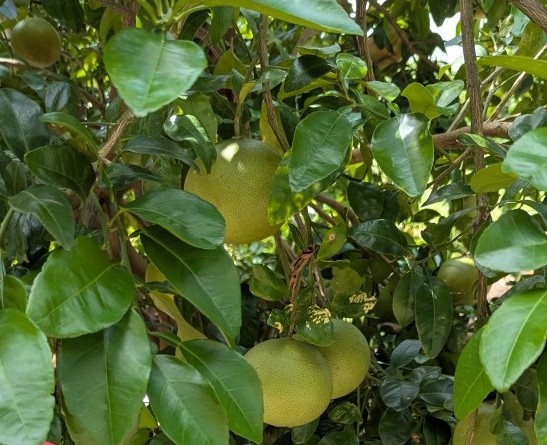
But there is also hope: if the soil is treated with care and attention is paid to ecology, grapefruit can still grow in Florida:
Biotechnology
We need to move away from fossil. Fermented products are one alternative. The product category „natural flavors“ has already given the flavor industry extensive experience in producing fine chemicals through fermentation.
Reaction flavors
When food is seared at a high temperature, it develops a wonderful roasted aroma. These are reaction aromas! This is caused by Maillard reactions between sugars and amino acids. The process can be technically replicated in production – also on extruders!